
5 Signs of Hypocrisy in Prayer
Hypocrite
From the Greek hypokritēs - an actor, a pretender
In Arabic: Munāfiq
It comes from Nafiqā’, the burrow of a desert animal with a hidden escape tunnel
One way in
But when danger comes
It slips out the back unseen
Just like the hypocrite
They show up with the believers
Say the right thing
But when truth gets hard
They run
Allāh exposes them:
“They say, ‘We believe in Allāh and the Last Day’ - but they do not believe.” [2:8]
“They seek to deceive Allāh and the believers - but they deceive no one but themselves, though they realize it not.” [2:9]

A munāfiq isn’t just someone who slips in īmān
It’s someone who pretends to believe
But never actually does
We may sometimes think that hypocrisy is something that’s far away from us,
Something that existed only in the life of the Prophet ﷺ
But it’s closer than we think
You can pray five times a day and still fall into hypocrisy.
You can stand in front of Allāh, but your heart might be far from Him.
What are the characteristics of a hypocrite mentioned in the Qur’an and Sunnah?
1) Praying lazily
“And when they stand for prayer, they stand lazily…” [4:142]
Feeling burdened.
Not eager to stand before Allāh.
They drag their feet into salah, not because they’re busy, but because their heart isn't in it.
2) Delaying salah
“But there came after them successors who neglected prayer and pursued desires; so they are going to meet evil.”[19:59]
Pushing it to the last minute. Treating salah as an afterthought.
The adhan goes off, but they scroll.
The time passes, and they rush.
Until it becomes a habit.
3) Lack of khushu‘
“So woe to those who pray but are heedless of their prayer.” [107:4–5]
Rushing through ruku‘ and sujood without reflection.
Their body is still, but their mind is racing.
They're reciting, but not reflecting.
4) Showing off in prayer
“Those who make show [of their deeds].” [107:6]
Praying to impress others, not to seek Allāh’s pleasure.
They fix their posture when someone walks in. They make their voice softer.
Their focus shifts from Allāh to people.
5) Neglecting Fajr & ‘Ishā
“No prayer is heavier upon the hypocrites than the Fajr and the Isha' prayers” [Bukhari]
Turning your sleep into worship by choosing to rise for Him.
These are the prayers hardest on the soul, but dearest to Allāh.
May Allāh protect us from this.
So, now that we know these signs, the most important thing would be:
How can we avoid falling into them?
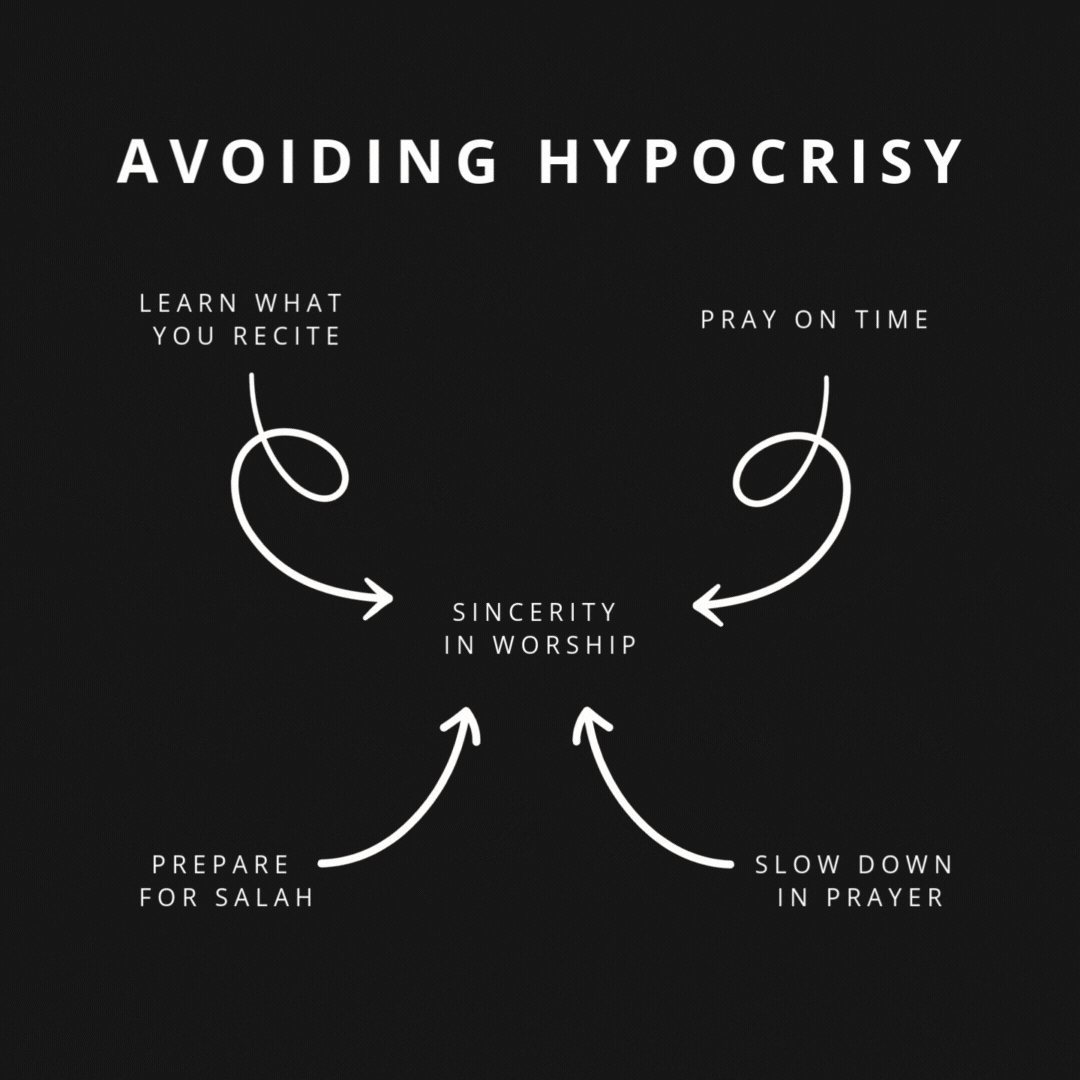
1) Make du'a for sincerity
Ask Allāh every day to make your salah pure for Him alone.
“O Allāh, protect my heart from showing off. Let me pray only to please You.”
Sincerity is not automatic, it’s something you beg for.
2) Pray on time, every time
Structure your day around your ṣalāh, not the other way around.
Build your calendar around the five pillars of your day.
The earlier you pray, the more peace you’ll feel.
3) Prepare for salah like you’re meeting Allāh
Clear your mind. Take your wudu seriously.
Slow down as you wash each limb.
Remind yourself that you’re about to stand before the King of kings.
4) Slow down in prayer
Pause in every movement. Don’t rush.
Stay in sujood a little longer. Feel every takbir.
Let your body match the stillness of your soul.
5) Learn the meaning of what you recite
When you understand, your heart will naturally be present.
“Allāhu Akbar” hits differently when you know what it means.
Memorize one line at a time, and let it sink into your heart.
And lastly, keep making du’a that Allah protects your heart from hypocrisy.
One of the most powerful du’as in the Qur’an is:
“Our Lord, do not let our hearts deviate after You have guided us.” [3:8]
That’s why we’ve compiled every single du’a from the Qur’an into one book, so you can make these du’as part of your life and protect yourself.
Inside it, you’ll find:
→ Every du’a in the Qur’an
→ The backstory of each du’a
→ Arabic text, translation, and transliteration
→ A QR code to learn pronunciation easily
If you struggle with what to ask Allah, start with the du’as He Himself taught you.
Check it out here.
May Allah bless you always.
مع حبي (with love),
The Eternah Team
Leave a comment
This site is protected by hCaptcha and the hCaptcha Privacy Policy and Terms of Service apply.